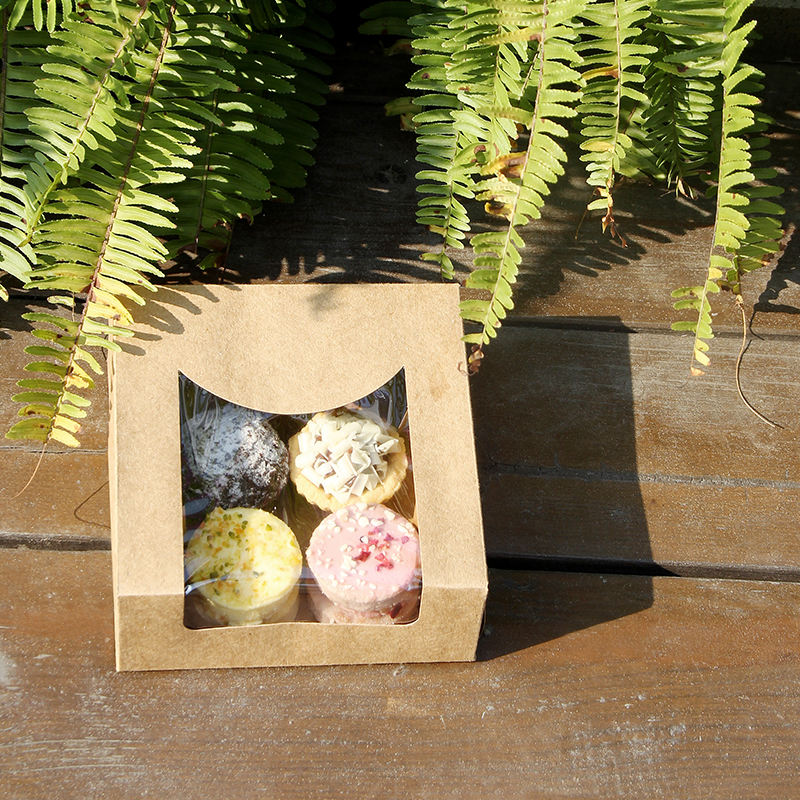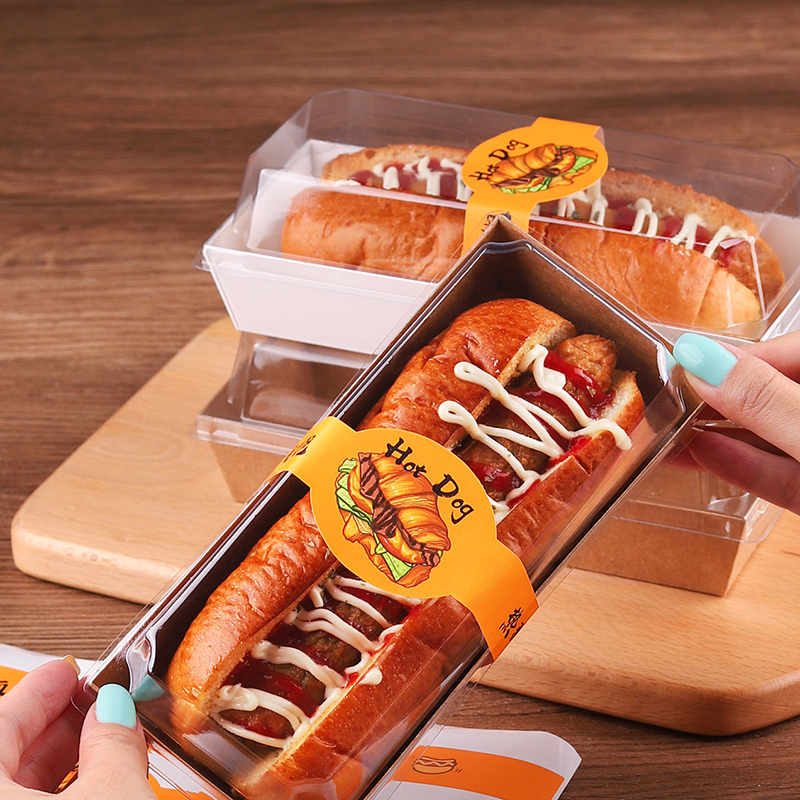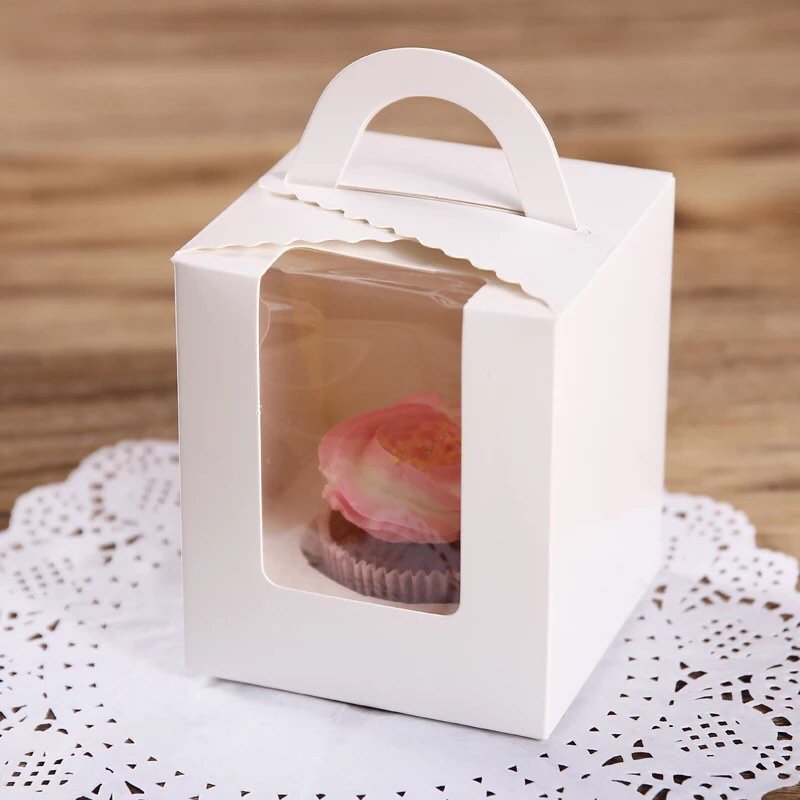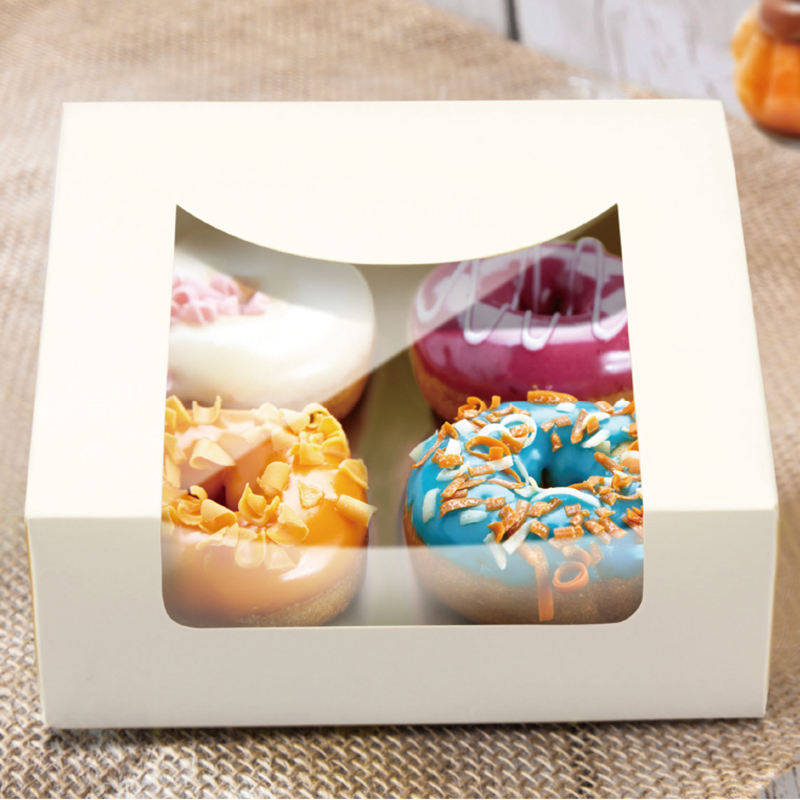
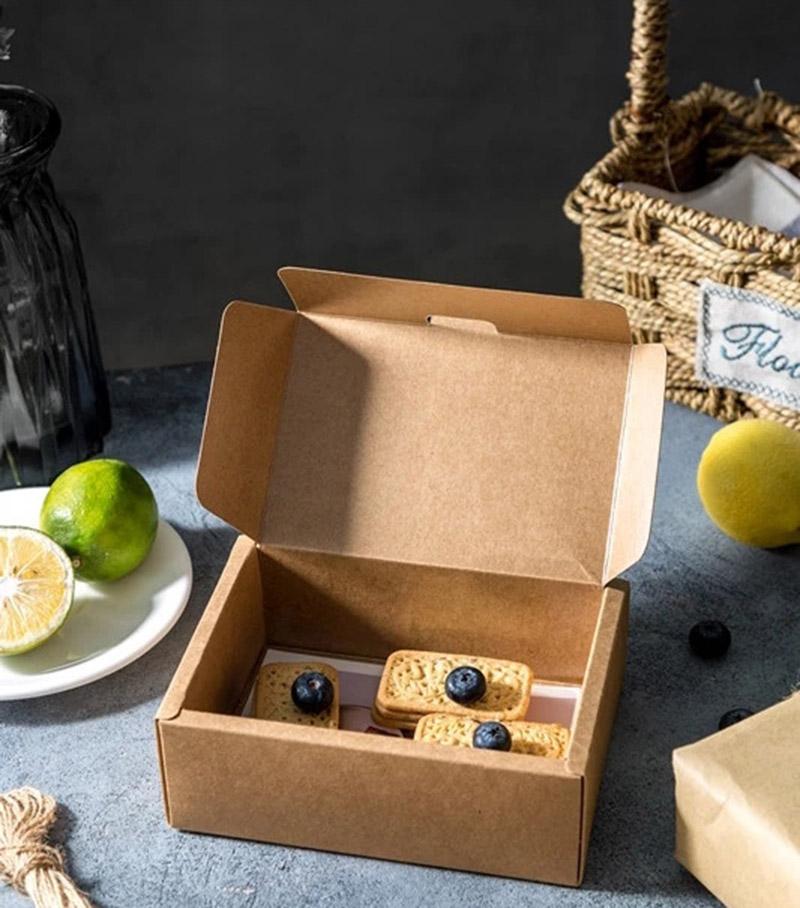
We are living in the age of eco‑conscious consumer mindsets that call for sustainable, planet‑friendly products with minimal environmental impact, items that can naturally decompose over time. For this reason, kraft packaging solutions play a vital role in everyday commerce and household use. Kraft has become one of the most popular and widely selected packaging materials on the market today. Furthermore, kraft is an extremely versatile substrate suitable for countless different applications. This biodegradable packaging option not only delivers solid product protection but also cuts down overall carbon‑related environmental harm. Its organic visual charm also earns positive feedback from shoppers.
In this blog post, we break down kraft material and its core characteristics that make it a top‑choice packaging solution within a highly competitive industry. Keep reading to learn full details.
Kraft Packaging: A Highly Sustainable Packaging Solution
Kraft is practically synonymous with sustainability, making it a perfect pick for consumers who prioritize eco‑friendly packaging. Manufactured using recyclable content, kraft holds biodegradable properties; it can break down naturally over time without leaving heavy carbon footprints. By adopting kraft packaging, businesses lower demand for virgin raw materials and help conserve precious natural resources.
Kraft is produced from wood pulp and features its signature natural brown shade, delivering excellent sustainable packaging performance thanks to its green attributes. The word “Kraft” originates from German, translating to strength, power and durability. It provides premium‑grade protection and sturdy, secure packaging performance. In addition, kraft stands out among eco‑friendly materials thanks to its outstanding tear‑resistant performance.
Manufacturers can turn natural brown kraft into white kraft paper through bleaching processes. High‑quality bleaching techniques are applied to achieve clean, attractive finishes for kraft paper bags. Two common kraft‑based material variants available on the market are coated unbleached Kraft (CUK) and coated recyclable board (CRB).
What is Coated Unbleached Kraft (CUK)?
Coated unbleached Kraft, unlike many alternative packaging stocks, does not require heavy chemical additives throughout production. Around 80 % natural cellulose fiber is used in its manufacturing process. This material supports high‑quality printing and comes with remarkable tear‑resistance. It is an ideal selection for brands that want to showcase sharp printed artwork and intricate patterns on packaging surfaces.
What is Coated Recyclable Board (CRB)?
This kraft variant is built from 100 % recyclable feedstock. It delivers great durability and performs well for holding dry food goods and confectionery treats. It is a preferred material for retail merchandise and kraft paper bags, and it can also be constructed into functional folding boxes.
Explore the Key Environmental Benefits of Kraft. Why Choose Kraft Over Alternative Materials?
This section covers the standout practical features of kraft that win favour with retail‑focused businesses across competitive markets. We will also cover FSC certification and key environmental standards that make kraft a reliable, high‑quality material for diverse end‑uses. Let’s dive in.
FSC Certification and Environmental Compliance Standards
Kraft biodegradable packaging receives validation from leading environmental organisations. Kraft packaging carrying FSC Certification confirms fully biodegradable properties and supports low‑pollution operations. Similarly, the SFI (Sustainable Forestry Initiatives) standard reassures buyers that kraft paper bags and related packaging are made of 100 % eco‑safe materials that benefit the ecosystem and help lower carbon footprints during real‑world usage.
Kraft Aesthetics: Elevate Your Brand Image With Kraft Packaging
Kraft carries appealing rustic visual traits that draw consumer attention. This packaging material creates eye‑catching finished goods through its natural tones and textured surface. Its distinct texture brings elegant, timeless styling and visual appeal for end customers. It serves as a great option for growing brands aiming to attract buyers and build long‑term loyal customer groups through well‑crafted packaging. Moreover, kraft packaging fits multiple use scenarios: gift wrapping, confectionery packaging, gift sets, folding boxes and many other retail‑focused products.
Kraft Packaging Helps Reduce Carbon Footprints
One major advantage of switching to kraft packaging is its low carbon environmental footprint. Eco‑minded businesses can effectively cut carbon output by moving to kraft as a viable replacement for plastic‑based packaging which harms our ecosystem. Many large enterprises focused on environmental stewardship are therefore expanding their use of kraft packaging.
Functional Advantages of Kraft
We have already reviewed visual appeal and sustainable performance. Next we look at kraft’s premium functionality, practical usability and long‑term durability. True to its linguistic origin, kraft stands for sturdiness and strength, offering good resistance against wear and tear. It is a lightweight yet robust material, capable of safeguarding fragile items such as glassware through transit and handling. It also excels for folding‑style applications: it creases and folds smoothly without resistance, and can be custom‑formed into unique shapes, sizes and designs.
Another valuable benefit of this sustainable packaging option is optional water‑repellent, moisture‑resistant performance. This property preserves the integrity of enclosed goods and makes kraft a go‑to solution for humid working and storage environments.
Kraft Delivers Cost‑Effective Packaging Performance
Even with its full set of advantages including sustainability, reduced carbon footprints and green material composition, kraft differentiates itself via cost‑efficiency. It delivers budget‑friendly packaging solutions accessible for businesses of every scale. Its raw materials are widely and easily obtainable, keeping overall production expenses low. While you can custom‑fabricate kraft into any shape, size and design, value‑adding custom work such as printing, embossing and debossing will raise total packaging costs. In terms of scalability, kraft brings tangible business outcomes for both small startups and large‑scale companies. Placing bulk‑volume orders can further bring down unit costs for buyers.
Advantages of Kraft Packaging for Modern‑Day Brands
Today’s consumers gravitate toward sustainable packaging options that support eco‑friendly goals and lower environmental carbon footprints. Well‑chosen kraft packaging also improves consumer engagement and builds genuine brand authenticity. Kraft delivers multiple competitive benefits for established and growing brands. Key advantages are outlined below:
Enhancing Brand Value Brands keep prioritising sustainable packaging solutions. Modern consumers lean toward businesses offering packaging that meets FSC standards and passes environmental‑organisation approval. This builds brand trust and integrity, and solidifies long‑term connections between brands and shoppers. Kraft packaging communicates brand authenticity and honesty, strengthening customer‑company relationships.
Brand Recognition Brands are judged by their core values alongside product quality. Sustainable kraft packaging offers brands a competitive pathway built around quality commitments. It deepens customer bonds, lifts brand recognition and helps companies stand out within crowded marketplaces, while satisfying demands from eco‑aware shoppers.
Brand Personalization Businesses can display distinctive brand identity by printing custom logo artwork on kraft boxes and kraft bags. Kraft packaging is also widely used within the apparel sector. It supports diverse colour schemes and design directions; minimalist yet sophisticated logo prints draw consumer interest. Kraft paper packaging can align closely with target‑audience preferences, strengthening overall brand identity and market recognition. Versatile, attractive styling options allow kraft to satisfy varied brand requirements.
Conclusion
Modern‑day shoppers search for packaging that checks multiple boxes: sustainability, affordability, visual attractiveness and strong practical performance. Kraft is widely recognised as the leader within eco‑friendly packaging, equipped with high‑grade performance features wanted by brands and consumers alike. Its wear‑and‑tear resistance makes it suitable for retail merchandise and wholesale product packaging.
What is more, kraft is manufactured using recycled wood‑based materials to shrink carbon footprints and support a greener world. Its functional strengths deliver durability, sturdiness and long service life, offering reliable protection during product transit and shipment. Backed by FSC and environmental‑organisation approvals, kraft packaging lifts brand image, brand value and public recognition.
To sum up, kraft is 100 % biodegradable packaging combining sustainability, cost‑efficiency, visual appeal and mechanical strength, while helping businesses lift overall brand value. If you would like further details, feel free to reach out to the A BOX STORE support team with any questions.