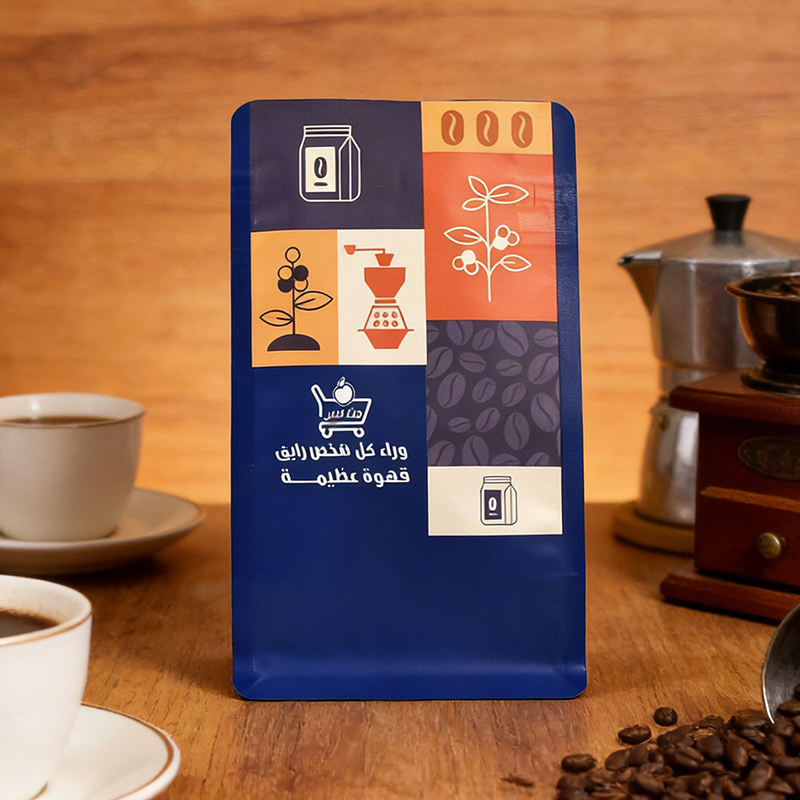
Coffee ranks as the world’s most widely consumed beverage. Coffee packaging is just as critical as bean quality itself. Well‑designed coffee packaging protects your beans’ aroma and flavor profile, shielding contents from moisture, sunlight and oxygen to lock in long‑term freshness. Thoughtfully built packaging preserves bean quality while strengthening brand identity. Premium‑grade packaging creates memorable first impressions and reinforces your brand image. Growing consumer demand for eco‑conscious goods has boosted interest in sustainable formats such as compostable coffee bags and recyclable tins. Brands can pick from multiple flexible and premium coffee packaging styles, each built for distinct business goals. Selecting suitable coffee packaging is essential to preserve bean freshness and help your brand stand out on retail shelves. This blog covers the importance of coffee packaging, common packaging types, and core factors to guide your buying decisions. Let’s dive in.
Why Coffee Packaging Matters for Your Brand
Coffee packaging is far more than just a simple container. It protects goods from harm, strengthens branding, and directly shapes customer purchasing choices. Key benefits include:
Preserving Freshness and Flavor Roasted coffee beans are extremely sensitive to surrounding environmental conditions, which can degrade taste and aroma. Hermetically sealed packaging acts as a protective barrier against UV light, humidity and oxygen. This extends shelf‑life and keeps coffee fresh for longer periods.
Elevating Brand Recognition and Trust Your packaging works like portable billboard hardware that communicates your brand identity. Custom packaging with unique brand graphics and bold typography improves recognizability. Branded packaging builds consumer trust and helps your products stand out amid crowded retail shelves.
Meeting Sustainability Goals Consumer preference has shifted toward eco‑friendly packaging solutions. Sustainable coffee packaging options appeal to environmentally aware shoppers. It demonstrates your brand’s environmental commitments and attracts new potential customers.
Types of Coffee Packaging
With so many packaging formats available, picking the right coffee packaging style can feel challenging. Brands should select styles aligned with branding vision and budget. Below are the most popular options, together with their key pros and cons.
Stand‑Up Coffee Bags (Most Common Choice)
These flexible pouches feature a bottom gusset that enables them to stand upright. Most versions are fitted with resealable zippers. They are highly versatile; you can customize artwork to showcase brand personality while preserving specialty coffee blends.
✅ Pros
- Affordable and lightweight
- Resealable closures maintain coffee freshness
- Supports a broad range of material choices
❌ Cons
- Less structural rigidity compared to rigid packaging formats
- Limited real‑estate for large‑scale branding artwork
Quad Seal Bags (Premium Look)
Quad seal pouches feature four sealed edges for firm, structured shape. They are ideal for high‑end coffee brands.
✅ Pros
- Strong, durable construction delivering improved product protection
- Generous surface space for branding and custom graphics
- Upscale visual aesthetic for premium‑grade coffee lines
❌ Cons
- Slightly higher cost versus standard coffee bags
- Bulkier compared to lightweight flexible pouches
Flat Bottom Coffee Bags (Box Pouches)
Also referred to as block‑bottom bags. This design blends features of mylar‑style pouches and quad‑seal bags. Premium coffee brands frequently select flat‑bottom bags for attractive shelf presentation and improved storage capacity.
✅ Pros
- Stable upright stance for high‑quality retail display
- Maximized branding surface area for stronger marketing impact
- Greater internal storage volume
❌ Cons
- Higher production cost than traditional flexible pouches
- Requires extra raw materials, which may impact sustainability targets
Pillow Bags (Budget‑Friendly Bulk Packaging)
Simple, elegant and low‑cost packaging choice for mass‑market coffee goods. Widely adopted for supermarket retail and large‑volume production runs.
✅ Pros
- Cost‑effective and easy to manufacture
- Perfect for bulk coffee product runs
- Lightweight and space‑saving for shipping logistics
❌ Cons
- Limited resealing capability which can compromise long‑term coffee quality
- Less premium visual appeal compared to other styles
Coffee Tins (Durable & Premium Choice)
Metal containers fitted with air‑tight lids deliver excellent product protection and a luxurious feel. Many brands now choose reusable metal tins as a sustainable coffee packaging solution, ideal for specialty coffee gift sets.
✅ Pros
- Outstanding protection to sustain long‑term bean freshness
- Reusable, eco‑friendly packaging alternative
- Adds luxury appeal perfect for gift‑oriented coffee lines
❌ Cons
- Higher price point over flexible coffee bags
- Increased overall weight raises total shipping expenses
Key Factors to Consider When Choosing Coffee Packaging
Keep these core criteria top‑of‑mind while selecting coffee packaging for your brand.
Material Selection Your packaging material directly impacts shelf‑life and your brand’s sustainability objectives. Popular material options:
- Kraft paper
- Foil lamination
- Metal
- Compostable plant‑based substrates
Freshness and Product Protection Quality packaging blocks moisture, sunlight and contaminants to retain product integrity. Consider adding these functional features:
- One‑way degassing valves
- Air‑tight seals and resealable zippers
- UV‑resistant material layers
Branding and Customization Coffee packaging acts as a low‑cost yet powerful marketing asset. Important considerations:
- Printing choices: offset printing, digital printing, spot‑UV finishing
- Minimalist layouts and bold typography
- Die‑cut window features for product visibility
Sustainability Today’s consumers actively support brands prioritizing eco‑friendly operations. Available sustainable options:
- Compostable coffee bags built with plant‑derived raw materials
- Recyclable metal coffee tins to cut down waste output
- Minimalist packaging that eliminates redundant layers to lower environmental footprint
What to Include on a Coffee Packaging Label
Great packaging labels draw shopper attention while delivering critical product information. Make sure your labels feature these essential details:
- Brand name and logo
- Coffee variety and origin information
- Roast profile and flavor notes
- Relevant sustainability certifications
- Storage guidance and brewing instructions
Accurate, complete label content strengthens customer connections and builds overall brand credibility.
How to Design Perfect Coffee Packaging
Every detail counts for coffee packaging design. Well‑thought‑out design influences buying behaviour. Follow these practical steps for high‑quality finished packaging:
- Pick suitable colour palettes and typography
- Balance visual aesthetics alongside practical functionality
- Highlight your unique brand story
- Apply modern, premium surface finishes
- Keep sustainability requirements front of mind
Final Thoughts
Selecting suitable coffee packaging is more than a practical purchasing decision; it represents a strategic investment for your brand’s success. Quality packaging preserves coffee freshness and elevates brand identity. Multiple packaging formats are available to match diverse business requirements. Sealed, protective bags help extend roasted bean shelf‑life. Meanwhile recyclable tins and compostable bags publicly communicate your brand’s environmental values. Custom‑branded packaging strengthens brand recognition and builds lasting consumer trust.
Ready to upgrade your coffee packaging? Get in touch with the A BOX STORE team. We deliver high‑quality, sustainable coffee packaging fully customized for your brand requirements. Explore competitive wholesale coffee packaging solutions with our specialists. Place your order today.